
Get Your Garden Drought-Ready
by Anza Muenchow
Are you ready for our typical summer drought? If you want to have a healthy, pest free garden, take good care to keep your soil moist. How much water? It depends on your soil type and how hot and windy the weather is.
If you have sandy soil, this means watering several times a week. Sand allows the water to pass through quickly and can take important plant nutrients with it. If you have a high percentage of clay in your soil, you must not let your soil become excessively dry. The clay in your soil will repel water once it gets too dry. So, water clay soil slowly and deeply. The best way to know how much to water is to dig down into your soil and check it. Your soil should be damp just below the surface. Don’t let it dry out more than an inch or two below the surface.
If your soil does dry out, your plants will be more susceptible to diseases and pests like aphids, powdery mildew and thrips. I recommend laying down drip hoses now and regularly soaking the root zones of your crops. Drip hoses keep the water at the roots and off the leaves. This conserves water by reducing evaporation. Many plants, such as tomatoes, beans, squash and basil hate water on their leaves. It is okay to allow some water on peas and brassicas (choy, broccoli, cabbage...) but they still do well with soaker hoses.
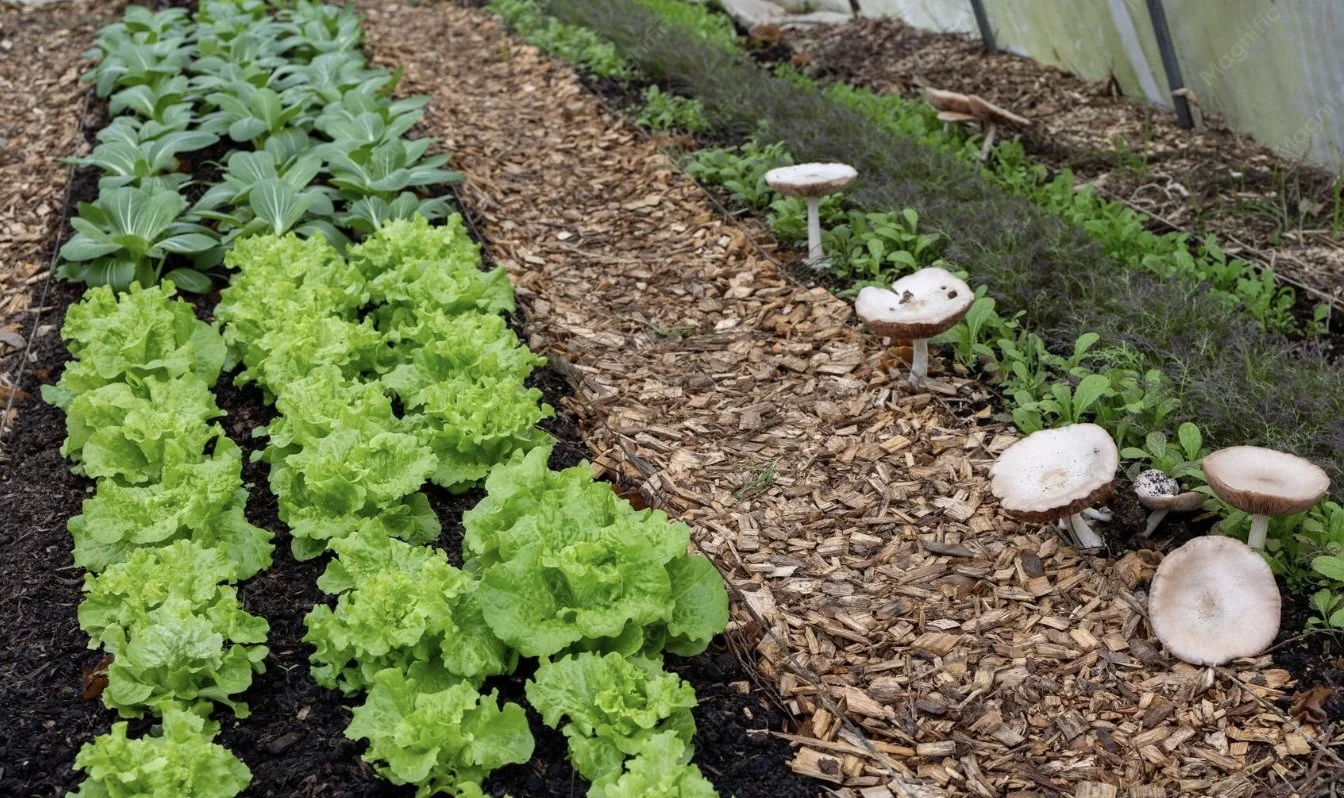
Another way the keep soil moist is mulching. Mulch is like compost though it may not be fully decomposed into a crumbly, soil-like substance. Every summer add three or four inches of mulch around the base of your plants. There are different kinds of mulches, but I will usually go for the cheapest and most available. Some people use dry grass clippings or decomposed leaves. Usually I mix these two together, water them and let them compost for a couple months before I mulch with them. It is okay to cover your drip irrigation with the mulch but then be careful you don’t forget it is under there and chop your hose with a shovel or a hoe. Repairing drip irrigation hoses can be time consuming and irritating.
June is a good time to plant your beans, if you haven’t done so already. There are so many types. I enjoy the haricot vert, which are a long, thin tender bean with a nice crunch. Our favorite way to eat these is by lightly coating them with olive oil and a pinch or two of salt and then roasting them in a hot oven (450 F) for 10 minutes. They also make a great bean salad if you blanch, then marinate them in your favorite vinaigrette. All the wonderful produce in our area provides the best summer cuisine. I can’t wait.